
How to Breed Horses in Minecraft Bedrock
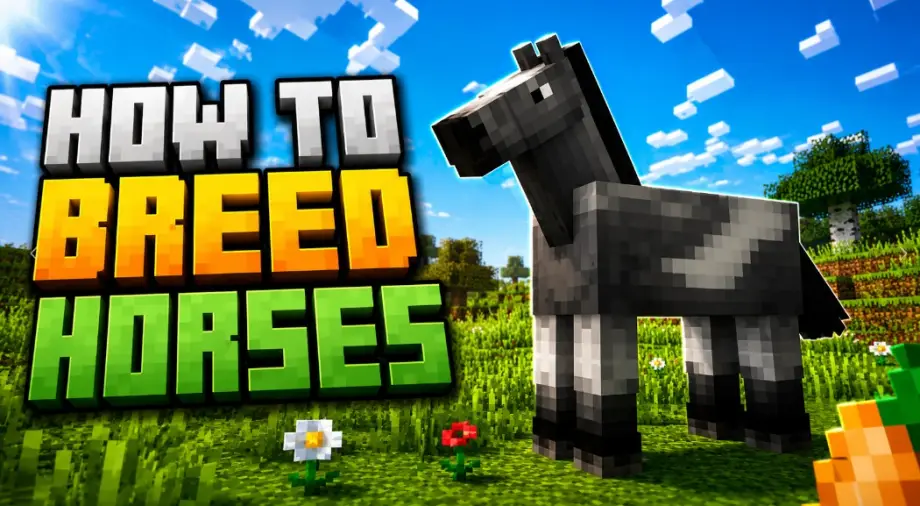
Horses are the best early-game land transport in Minecraft. Faster than sprinting, able to jump fences, and they don't need fuel or redstone. But not all horses are equal. Every horse has hidden stats for speed, jump height, and health, and the only way to get a truly great horse is to breed for better ones.
Since the 1.19.70 update, horse breeding on Bedrock actually works properly. Foals can now inherit strong stats from their parents instead of always regressing toward the average. That means selective breeding is finally worth doing.
What You Need
- Two tamed horses
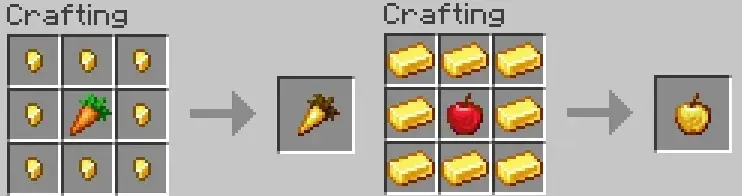
- Golden Carrots or Golden Apples (either one triggers breeding)
Golden Carrots are the cheaper option: 8 gold nuggets + 1 carrot. One gold ingot gives you 9 nuggets, so a single ingot almost covers one carrot. Golden Apples cost 8 gold ingots each, which is overkill for breeding. Save those for curing zombie villagers.
How to Breed
- Tame both horses. Mount the horse by interacting with it with an empty hand. It'll buck you off. Keep mounting until hearts appear. No food needed for taming, just persistence.
- Put them close together. Lead them into a fenced area or use leads (crafted from string + slimeball). They need to be within a few blocks of each other.
- Feed each horse a Golden Carrot or Golden Apple. Hearts appear above both horses.
- Wait. A baby horse (foal) appears within seconds.
- The foal grows into an adult in 20 minutes. You can speed this up by feeding it: wheat, sugar, apples, golden carrots, or hay bales all reduce growth time. Hay bales are the most effective (3 minutes off per bale).
There's a 5-minute cooldown between breeding attempts for each parent. The foal can't be tamed or ridden until it's fully grown.
Understanding Horse Stats
Every horse has three hidden stats assigned when it spawns. You can't see exact numbers without mods, but you can test them.
Speed ranges from 4.74 to 14.23 blocks per second (player sprint is 5.6). The average horse moves at about 9.7 blocks per second. To test speed: ride the horse across a measured distance (count blocks) and time it. Or just ride a few horses side by side and compare.
Jump height ranges from 1.08 to 5.29 blocks. The average is about 3.1 blocks. To test: charge a full jump (hold spacebar until the bar is full) and see what the horse clears. A fence is 1.5 blocks, so any horse can jump a fence. The good ones clear 4-5 block walls.
Health ranges from 15 to 30 HP (7.5 to 15 hearts). You can see the horse's health bar when riding it — it replaces your hunger bar. Easy to check. Horses with odd health points won't show the last half-heart, so the display can look slightly off.
How Breeding Stats Work (Post-1.19.70)
This is the part that matters for anyone trying to get a great horse.
When two horses breed, the foal's stats are calculated by averaging both parents' stats and adding a random variation. Before 1.19.70, the game also averaged in a random third "phantom horse," which dragged stats toward the middle and made it nearly impossible to breed exceptional horses. That system is gone now.
In the current system, if both parents have high speed, the foal has a real chance of matching or even exceeding them. The random variation can go up or down, so not every foal will be an improvement. But over several generations, stats trend upward if you keep selecting the best offspring.
The breeding strategy:
- Start with your two best horses
- Breed them
- Test the foal's stats once it's grown
- If the foal is better than the weakest parent, replace that parent with the foal
- If the foal is worse, discard it and breed again
- Repeat
After 10-15 generations you'll have a horse that's noticeably faster and jumps higher than anything you'd find in the wild. It's not instant, but it works, and the improvement is cumulative.
Horse Colors and Markings
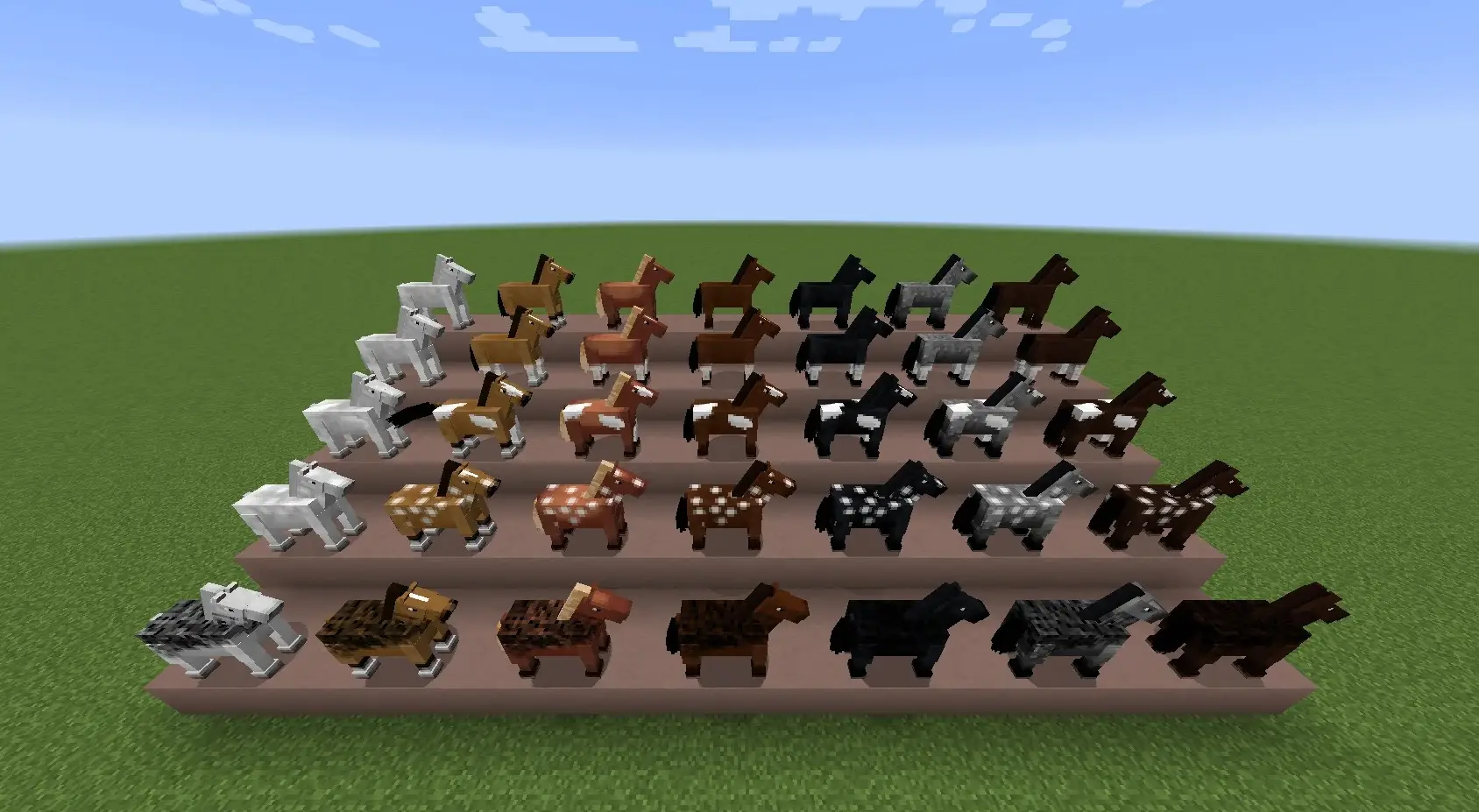
There are 7 base colors (white, creamy, chestnut, brown, black, gray, dark brown) and 5 marking patterns (none, white stockings, white field, white dots, black dots). That's 35 possible combinations.
The foal has a roughly equal chance of inheriting either parent's color and either parent's markings. There's also a small chance (about 11%) of a completely random color or marking that neither parent has.
Color and markings are purely cosmetic. They don't affect stats at all.
Breeding Mules
Cross-breeding a horse with a donkey produces a mule. On Bedrock, the process is the same: tame both animals, feed them golden carrots or golden apples.
Mules are useful because they can carry chests. Interact with a mule while holding a chest to equip it with 15 inventory slots. You can't put horse armor on a mule, but the storage makes them great for long trips.
The trade-off: mules can't breed. A mule is a dead end. And mule stats are averaged between the horse parent and donkey parent, so they're usually slower than a good horse. If speed is your priority, stick with horse-to-horse breeding.
Donkeys vs Horses vs Mules
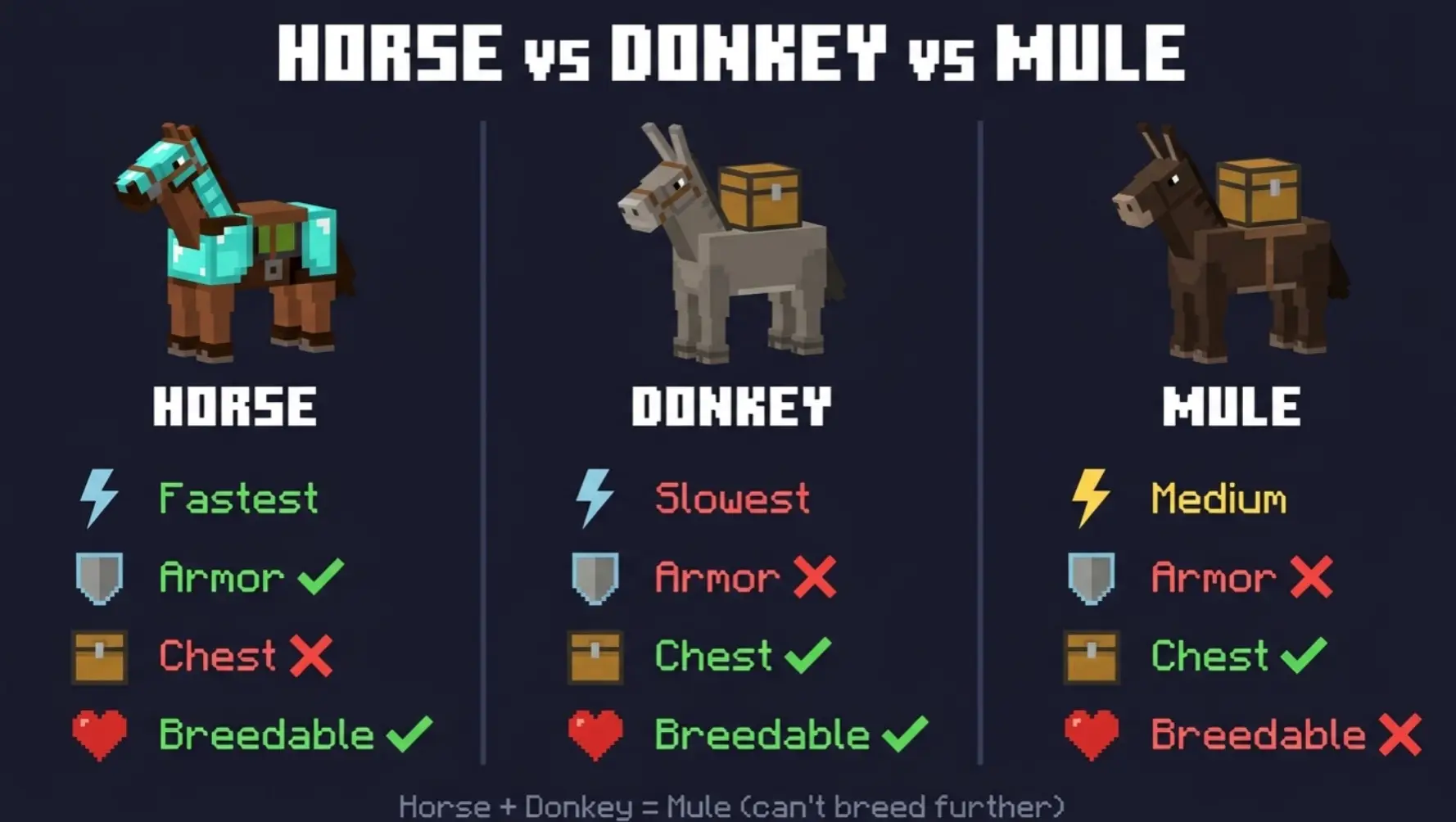
Horse: fastest, can wear armor, no chest. Best for speed and combat.
Donkey: slower, can carry a chest (15 slots), can't wear armor. All donkeys have identical stats, so there's no point breeding for better ones.
Mule: middle ground. Can carry a chest, slightly faster than a donkey, can't wear armor, can't breed. Good for one-off transport runs.
For most players, a fast horse with diamond armor is the best mount. Save donkeys and mules for when you need to haul items across long distances.
Horse Armor and Saddles
You can't ride a horse without a saddle. Saddles can't be crafted. You find them in dungeon chests, nether fortress chests, village chests, fishing loot, or buy them from leatherworker villagers.
Horse armor comes in four tiers: leather (craftable), iron, gold, and diamond (all found as loot). Horse armor doesn't have durability — it lasts forever. Diamond horse armor reduces damage significantly and is the best protection you can give your horse.
On Bedrock, you can dye leather horse armor with any color, same as regular leather armor.
Where to Find Horses
Plains and savannas. Horses spawn in herds of 2-6 in these biomes. They're fairly common, so you shouldn't have trouble finding them.
Villages. Stables and animal pens inside villages sometimes contain horses that are already fenced in. Easy to tame on the spot.
To bring horses home, either ride them (if you have a saddle) or use a lead. On Bedrock, you can attach a lead to a boat and tow the horse across water, which is handy if there's an ocean between you and your base.